BLUETTI Elite 100 V2
✓ Loads that fit BLUETTI Elite 100 V2's measured energy and output envelope
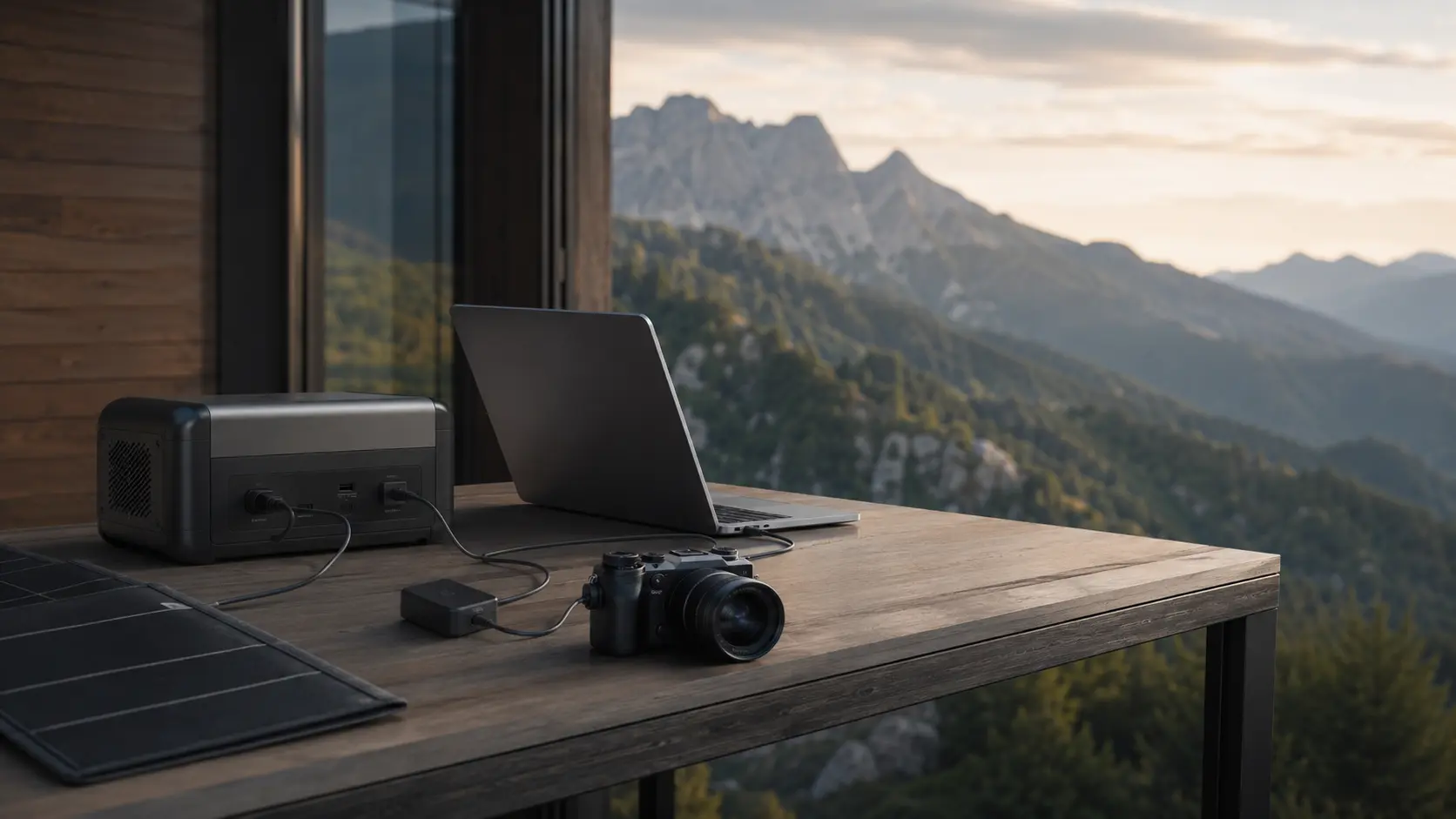
PORTABLE POWER COMPARISON
Elite 100 V2 is the newer LiFePO4-class design with faster solar charging and a lower, more stable observed price; Yeti 1000X is a long-established brand whose roughly 4-hour AC recharge time and highly variable list-to-sale pricing are worth weighing against that brand history.
Elite 100 V2 is the newer LiFePO4-class design with faster solar charging and a lower, more stable observed price; Yeti 1000X is a long-established brand whose roughly 4-hour AC recharge time and highly variable list-to-sale pricing are worth weighing against that brand history.
| Field | BLUETTI Elite 100 V2 | Goal Zero Yeti 1000X | |
|---|---|---|---|
| Capacity | 1,024Wh | 983Wh | |
| Usable range | 819–922Wh | 786–885Wh | |
| Continuous output | 1,800W | 1,500W | |
| Solar input | 1,000W | 600W | |
| Weight | 11.5kg | 14.5kg | |
| AC recharge | Fast solar charging emphasized in marketing | Full recharge around 4 hours advertised | |
| Observed price | $499 | Swings widely ($500–$1,300 observed) -- no single reliable current figure |
✓ Loads that fit BLUETTI Elite 100 V2's measured energy and output envelope
✓ Loads that fit Goal Zero Yeti 1000X's measured energy and output envelope
BEFORE YOU COMPARE
Usable energy is modelled at 80–90% of nominal capacity.
Boost modes are not equivalent to continuous inverter output.
Observed prices and product status vary by market.
✓ 100 W output or higher
✓ 16.7–18.8 hours from an equal-size rated battery
✓ 1 kWh class
✓ Size solar from realistic daily input, not panel nameplate alone
Compare portable power stations →Potential commission does not determine the comparison result. No fake review score or unsupported winner is used.